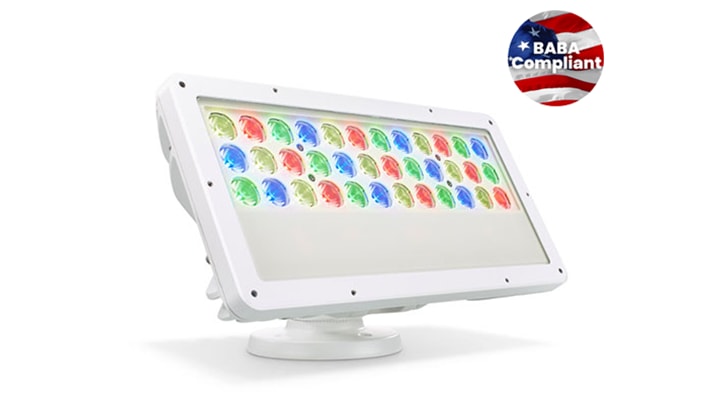
The Buy American Act (BAA), Build America, Buy America Act (BABA), and Trade Agreements Act (TAA) are key U.S. domestic preference and trade laws that govern how products are sourced for federal purchasing and federally funded projects. BAA and BABA prioritize U.S.-manufactured goods to strengthen American manufacturing, support domestic jobs, and ensure federal investments use U.S.-made products across infrastructure, construction, and transportation initiatives. In contrast, the TAA enables federal agencies to procure eligible products from designated trade‑agreement countries under qualifying contracts, balancing domestic preference with international trade obligations.*
Use this Domestic Preference Compliance Certification Checklist to support accurate documentation and compliance with federal domestic sourcing requirements.